Everyday Oral Care Habits That Could Be Hurting Your Smile Kenilworth Dentist

Taking care of your teeth at home is one of the best ways to maintain a healthy smile between dental visits. However, even people who brush and floss regularly may have habits that aren’t helping their oral health as much as they think.

Small changes to your daily routine can make a noticeable difference. Here are several common at-home dental care mistakes—and what you can do instead.

1. Rushing Through Your Daily Routine

A quick pass with your toothbrush may leave behind plaque and food particles, especially around the gumline and harder-to-reach areas. Skipping flossing can also allow buildup to remain between teeth.

Aim to brush thoroughly twice a day for about two minutes and clean between your teeth daily. Consistency is one of the most important parts of effective home dental care.

2. Brushing With Too Much Pressure

Brushing harder doesn’t necessarily mean your teeth are getting cleaner. Aggressive brushing can irritate the gums and may contribute to enamel wear over time.

Choose a soft-bristled toothbrush and use gentle, controlled movements. If you’re unsure about your technique, your dental team can show you how much pressure is appropriate.

3. Forgetting About Your Tongue

Your teeth aren’t the only place bacteria collect. The surface of your tongue can hold bacteria and food debris that contribute to unpleasant breath.

Gently brushing your tongue or using a tongue cleaner as part of your daily routine can help reduce buildup and leave your entire mouth feeling fresher.

4. Going Overboard With Teeth Whitening

A brighter smile can be appealing, but more whitening isn’t always better. Using whitening products too frequently or incorrectly may result in tooth sensitivity or gum irritation.

Always follow the directions provided with whitening products. If you want a significant change in the shade of your teeth, consider talking with your dentist about safe whitening options.

5. Waiting Until Something Hurts to Visit the Dentist

Dental problems don’t always cause discomfort in their early stages. Cavities, gum disease, and other concerns may develop without noticeable symptoms.

Routine dental examinations and professional cleanings give your dental team an opportunity to identify potential problems early, when they may be easier to address.

6. Treating Your Teeth Like Tools

Opening packaging, biting tags, chewing ice, or using your teeth to hold objects may seem harmless, but these habits can put unnecessary pressure on your teeth.

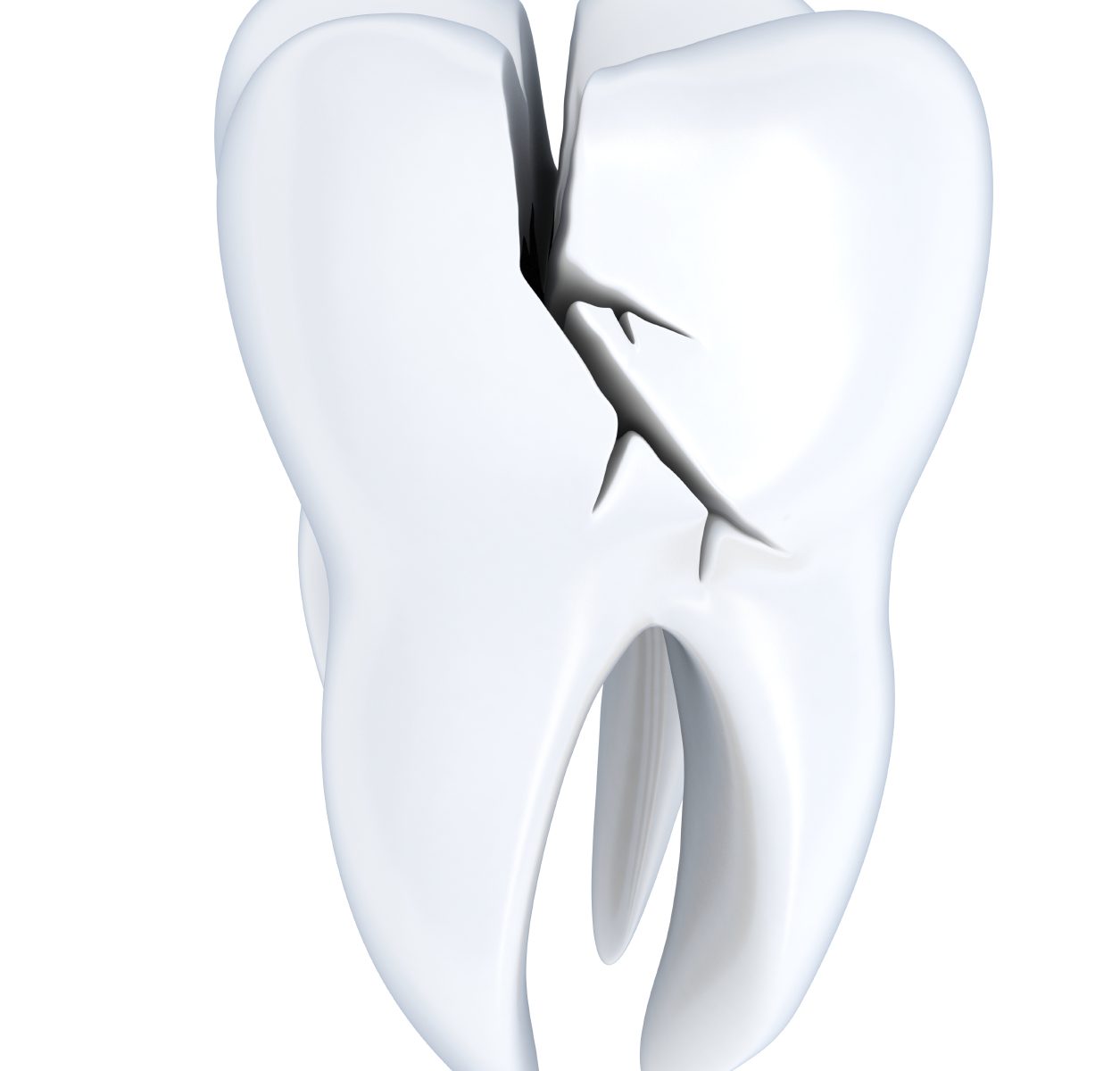
A chipped or cracked tooth can happen unexpectedly. Protect your smile by using the proper tool for the job and avoiding chewing on objects that aren’t meant to be eaten.

7. Not Considering How Food and Drinks Affect Your Teeth

What you eat and drink throughout the day can influence your oral health. Frequently consuming sugary foods or acidic beverages exposes your teeth to conditions that can contribute to decay and enamel erosion.

Try to limit frequent snacking on sugary foods, choose nutritious options when possible, and drink plenty of water throughout the day. Water can help rinse away food particles and support a healthier oral environment.

8. Letting Oral Care Slide When You’re Sick

When you aren’t feeling well, brushing and flossing may be the last things on your mind. However, maintaining your regular oral hygiene routine is still important.

Continue brushing and cleaning between your teeth as you’re able, stay hydrated, and replace your toothbrush when appropriate. If vomiting occurs, avoid brushing immediately afterward because stomach acids can temporarily soften tooth enamel. Rinse your mouth with water first and give your teeth some time before brushing.

Small Changes Can Lead to a Healthier Smile

Good oral health doesn’t require a complicated routine. It comes down to consistently practicing healthy habits and avoiding behaviors that can unnecessarily put your teeth and gums at risk.

Brush thoroughly, clean between your teeth every day, pay attention to your diet, drink plenty of water, and protect your teeth from unnecessary damage. Just as importantly, keep up with regular dental examinations and professional cleanings.

Combining good home care with preventive dental visits can help you maintain healthy teeth and gums—and a smile you can feel confident about—for years to come.

Flossing and Your Smile: Small Habit, Lasting Benefits I Kenilworth Dentist

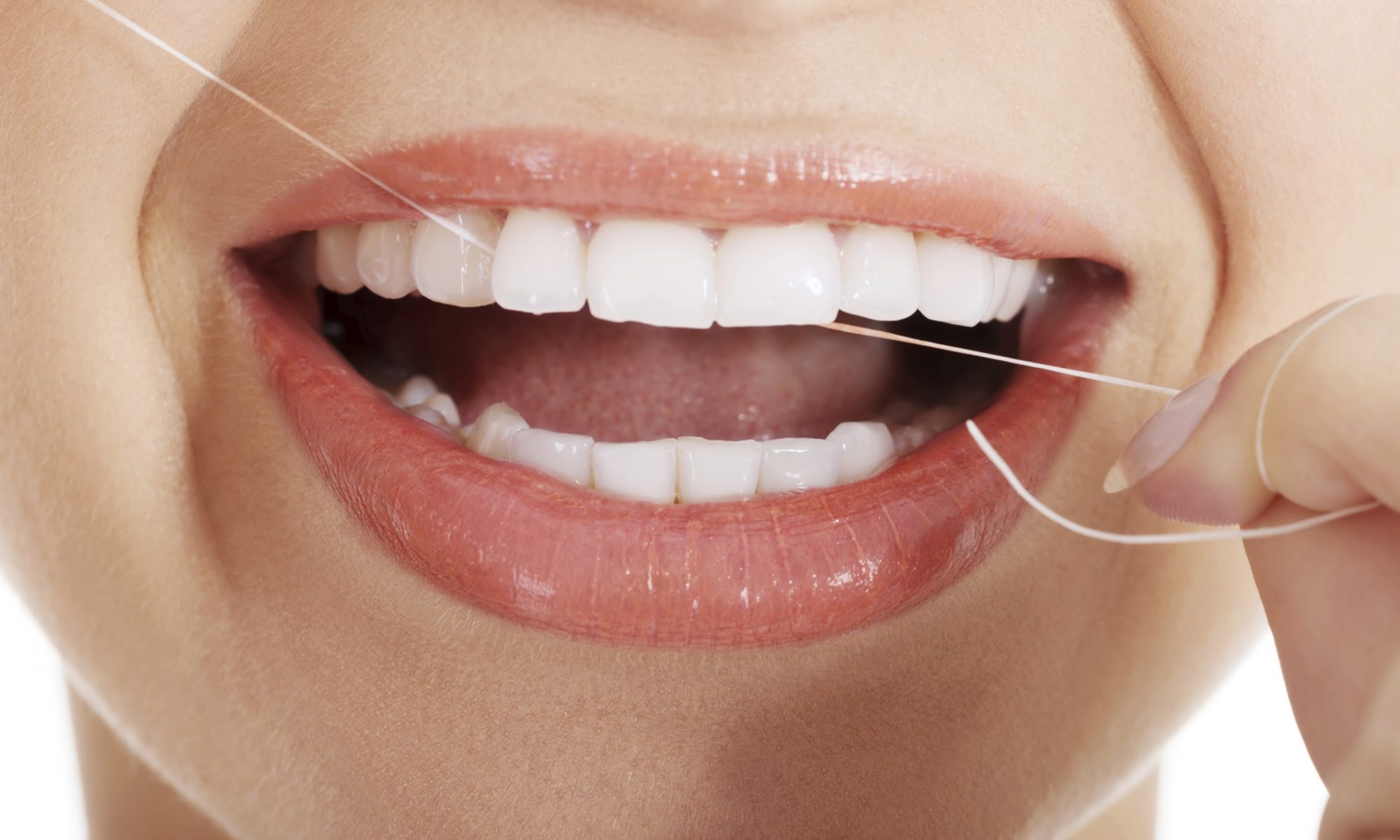
When you think about keeping your teeth healthy, brushing is probably the first thing that comes to mind. But even thorough brushing leaves some areas of your mouth untouched. The spaces where teeth meet are difficult for toothbrush bristles to reach, allowing plaque and food debris to remain behind.

Flossing helps complete your daily cleaning routine by reaching these hidden areas. Making it a regular habit can contribute to healthier teeth, stronger gums, and a fresher-feeling mouth.

Why Brushing Needs a Little Help

A toothbrush works well on the exposed surfaces of your teeth, but it isn’t designed to clean every narrow space. Bacteria can settle between teeth and near the gums, creating plaque that may eventually harden if it isn’t removed.

Floss allows you to clean along the sides of neighboring teeth, giving attention to areas that might otherwise be missed during your daily routine.

Give Your Gums the Care They Need

Your gums play an important role in supporting your teeth. When plaque remains around the gumline, it can irritate the surrounding tissue. Over time, you may notice gums that appear red or swollen or that bleed easily.

Cleaning between your teeth each day helps limit the amount of plaque sitting against your gums and can be an important part of maintaining good periodontal health.

Add Another Layer of Cavity Protection

Not all cavities are easy to see. Decay can begin in the small spaces between teeth, particularly when food and bacteria are allowed to remain there.

Flossing clears away material that brushing may leave behind. Combined with fluoride toothpaste and regular dental care, cleaning between your teeth can help protect enamel and lower your chances of developing tooth decay.

Don’t Overlook Flossing for Fresher Breath

If your breath doesn’t feel as fresh as you’d like after brushing, the problem may be hiding between your teeth. Bacteria and leftover food can contribute to unwanted odors when these areas aren’t cleaned regularly.

Flossing removes much of this buildup and can help your mouth feel noticeably fresher and cleaner.

Oral Care Is Part of Taking Care of Yourself

Your mouth doesn’t exist separately from the rest of your body. Maintaining good oral health is an important part of your overall wellness routine.

Keeping plaque under control, caring for your gums, eating a balanced diet, and receiving professional dental care all contribute to maintaining a healthy mouth throughout your lifetime.

A Little Prevention Goes a Long Way

It’s much easier to maintain healthy teeth than to repair them after problems develop. Daily home care can reduce plaque accumulation and help lower your chances of experiencing preventable dental concerns.

Flossing doesn’t require a major time commitment. A few minutes each day, combined with consistent brushing and routine dental visits, can make a meaningful difference.

Make Flossing Easier and More Effective

Good technique is just as important as remembering to floss. Try these simple suggestions:

  • Choose a convenient time each day and make flossing part of your routine.
  • Gently guide the floss between your teeth instead of snapping it downward.
  • Wrap the floss around the side of each tooth and move it carefully along the surface.
  • Clean slightly below the gumline while being gentle with the gum tissue.
  • Move to a fresh portion of floss as you continue from tooth to tooth.
  • Consider floss holders, interdental brushes, or water flossers if regular string floss isn’t comfortable or convenient.

Your dental team can also demonstrate different techniques and recommend an option that works well for your individual needs.

Build a Routine Your Smile Will Appreciate

Great oral health isn’t usually the result of one big change. It’s created through simple habits repeated every day. Brushing thoroughly, cleaning between your teeth, making healthy food choices, and keeping up with dental examinations and professional cleanings all work together to protect your smile.

If flossing hasn’t been part of your routine, today is a great time to start. It only takes a few minutes, and your teeth and gums can benefit from the extra attention for years to come.

How Pacifiers and Thumb Sucking Affect Adult Teeth | Kenilworth Dentist

A kid holding dental cleaning accessories to show that pediatric dental care is important and cn be done at home.

Thumb sucking and pacifier use are common habits in infancy and early childhood, often providing comfort and security. While these behaviors are generally harmless in very young children, prolonged use beyond the toddler years can have lasting effects on the alignment and health of adult teeth. Understanding these potential impacts can help parents and caregivers manage the transition away from these habits and support long-term oral health.

One of the main concerns with extended thumb sucking or pacifier use is misalignment of teeth, also known as malocclusion. Constant pressure from the thumb or pacifier can push teeth out of their natural position, leading to overbites, open bites, or crossbites. These misalignments may affect the way teeth come together when biting and chewing, sometimes requiring orthodontic treatment later in life.

In addition to affecting teeth, these habits can also impact jaw development. Prolonged sucking can alter the shape of the dental arch and palate, potentially creating spacing issues and crowding of permanent teeth. Changes in jaw structure can also contribute to speech difficulties or improper bite patterns if not addressed early.

Gum and oral tissue health can also be influenced. Continuous thumb or pacifier use may irritate the gums, leading to redness or soreness. In some cases, the habit may increase the risk of bacterial buildup, which can contribute to cavities or early enamel wear if proper dental hygiene is not maintained.

The timing of breaking these habits is important. Most children naturally outgrow thumb sucking and pacifier use by age two to four. If the habit continues into the later preschool years, parents should gently encourage alternatives, such as comfort objects or positive reinforcement strategies, to reduce dependency.

Regular dental visits are essential for monitoring the development of teeth and jaw structure. Dentists can provide guidance, detect early signs of misalignment, and recommend interventions like orthodontics if necessary.

While thumb sucking and pacifier use are normal developmental behaviors, prolonged habits can have noticeable effects on adult teeth. Awareness, gentle guidance, and professional support help ensure that children transition smoothly and maintain healthy, properly aligned teeth into adulthood.

For more information regarding dental exams, contact Drs. Freund and Waterloo today at 847-251-8990 or visit www.villagedentalpc.com.

Drs. Chad Freund and Cathy Waterloo proudly serves Kenilworth and all surrounding areas.

How Menopause Affects Gum and Bone Health | Kenilworth Dentist

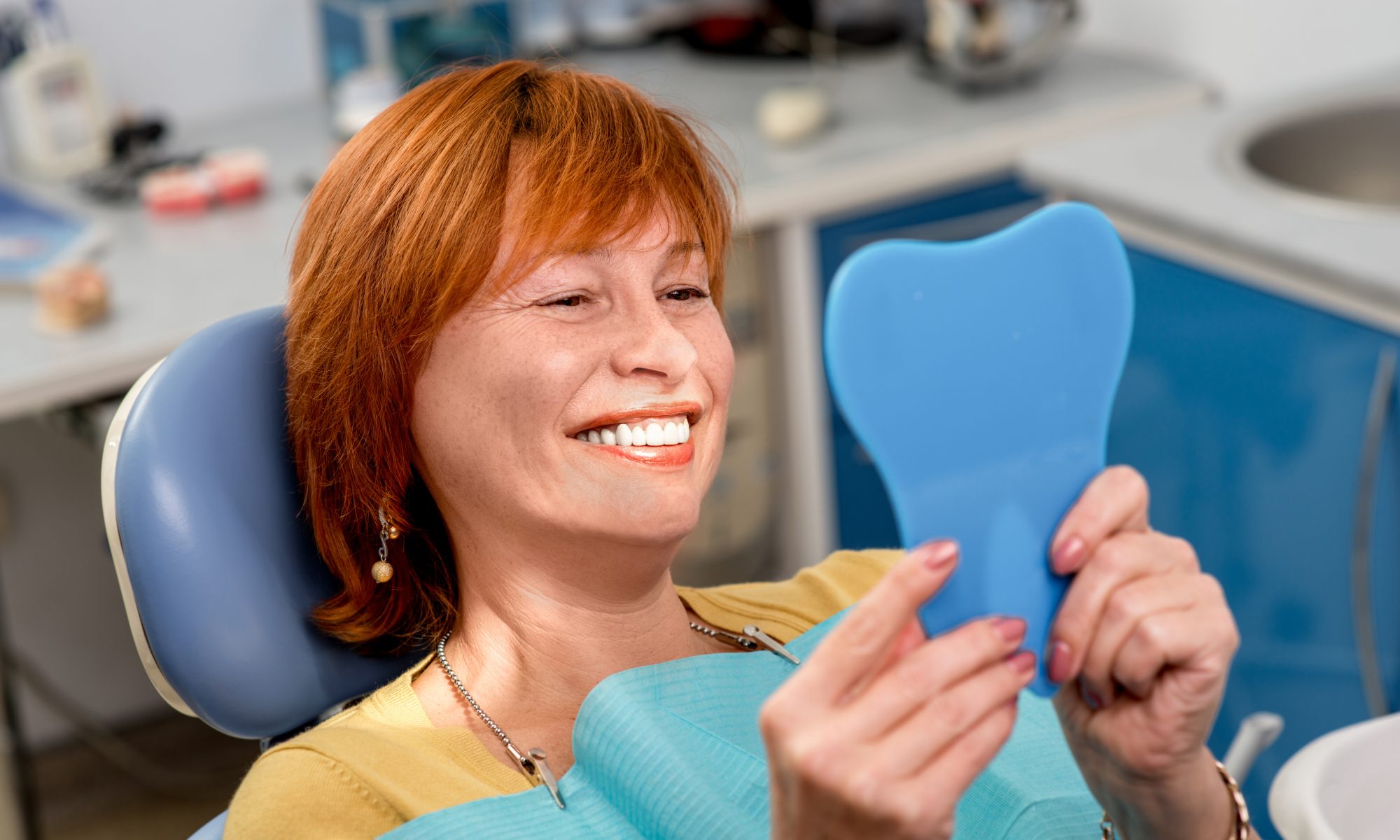
A woman smiling at her reflection because she has healthy teeth, or because she is seeing the result of dental restoration surgery

Menopause is a natural stage of life that brings many changes to the body, and oral health is no exception. Hormonal shifts during menopause—particularly the decline in estrogen—can significantly impact gum and bone health, making women more susceptible to certain dental issues. Understanding these effects can help maintain a healthy smile during this transition.

One of the most common oral health challenges during menopause is gum sensitivity and inflammation. Lower estrogen levels can reduce blood flow to the gums, making tissues thinner, more fragile, and prone to irritation. This can increase the risk of gingivitis and, if left untreated, more severe periodontal disease. Women may notice gums that bleed easily, feel tender, or appear red and swollen, even with regular brushing and flossing.

Another key concern is dry mouth, medically known as xerostomia. Hormonal changes can decrease saliva production, which is essential for neutralizing acids, washing away food particles, and protecting enamel. Reduced saliva creates an environment where bacteria thrive, increasing the likelihood of cavities, gum disease, and bad breath. Staying hydrated, using alcohol-free mouth rinses, and chewing sugar-free gum can help stimulate saliva flow.

Menopause also affects bone health, which includes the jawbone supporting your teeth. Declining estrogen levels can contribute to osteoporosis, a condition that weakens bones and makes them more prone to fracture. When the jawbone density decreases, teeth may loosen, shift, or even be lost. Maintaining adequate calcium and vitamin D intake, engaging in weight-bearing exercise, and discussing bone health with your physician can support stronger bones and a more stable oral foundation.

Women experiencing menopause should prioritize regular dental checkups and communicate openly with their dentist about changes in their oral health. Professional cleanings, fluoride treatments, and careful monitoring of gum and bone status can prevent small problems from becoming serious issues.

By recognizing how menopause impacts gums and bone health, women can take proactive steps to protect their teeth and maintain a confident, healthy smile. Simple daily habits, combined with professional care, can help navigate this stage of life while keeping oral health strong.

For more information regarding dental exams, contact Drs. Freund and Waterloo today at 847-251-8990 or visit www.villagedentalpc.com.

Drs. Chad Freund and Cathy Waterloo proudly serves Kenilworth and all surrounding areas.

Understanding Flossing Methods | Kenilworth Dentist

A woman flossing to show that flossing is an important aspect of oral care

Flossing is one of the most effective yet commonly overlooked steps in daily oral care. While brushing cleans the surfaces of your teeth, it cannot reach the tight spaces between them where plaque and food particles tend to accumulate. Fortunately, flossing is not a one-size-fits-all habit—there are several methods available, each designed to suit different needs and lifestyles.

For people with braces, dental implants, or sensitive gums, water flossers can be an excellent option. These devices use a steady stream of pressurized water to flush out debris and bacteria along the gumline and between teeth. They are especially helpful for areas that are difficult to access with traditional tools and can significantly improve gum health when used consistently. However, they work best when paired with other flossing methods rather than used alone.

Another effective choice is interdental brushes, which are small, narrow brushes designed to clean wider spaces between teeth. They are particularly beneficial for individuals with gum recession or periodontal disease, where gaps between teeth may be more pronounced. Available in various sizes, interdental brushes can provide a thorough clean when the correct size is selected.

Floss picks offer a more convenient and portable alternative to string floss. With a short piece of floss attached to a plastic handle, they are easy to use on the go and are often preferred by children or people with limited hand mobility. While convenient, floss picks may not clean as comprehensively as longer floss, especially between multiple teeth.

Traditional string floss remains a reliable and widely used option. It comes in many varieties, including waxed, unwaxed, and tape-style floss, allowing users to choose what feels most comfortable. When used with proper technique, string floss effectively removes plaque and helps prevent cavities and gum disease.

The most effective flossing routine is one that you can maintain consistently. Many people benefit from combining methods, such as using a water flosser daily and string floss at night. By exploring different flossing options and finding what works best for you, flossing can become an easier, more effective part of your oral health routine.

For more information regarding dental exams, contact Drs. Freund and Waterloo today at 847-251-8990 or visit www.villagedentalpc.com.

Drs. Chad Freund and Cathy Waterloo proudly serves Kenilworth and all surrounding areas.

Oral Health Considerations for Cancer Survivors | Kenilworth Dentist

A woman smiling at her reflection because she has healthy teeth, or because she is seeing the result of dental restoration surgery

Cancer treatment can have lasting effects on oral health, making it especially important for survivors to pay close attention to their teeth, gums, and overall mouth care. Treatments such as chemotherapy, radiation, and certain medications can weaken the mouth’s natural defenses, leaving survivors more vulnerable to issues like dry mouth, infection, and tooth decay.

One of the most common concerns for cancer survivors is dry mouth, or xerostomia. Radiation therapy to the head and neck can damage salivary glands, reducing saliva production. Saliva is essential for neutralizing acids, washing away food particles, and protecting tooth enamel. Without enough saliva, survivors may experience difficulty swallowing, increased cavity risk, and a higher likelihood of gum disease. Staying hydrated, using saliva substitutes, and chewing sugar-free gum can help alleviate symptoms.

Cancer treatments can also weaken the immune system, making oral infections more likely. Fungal infections, like thrush, and bacterial infections can develop more easily, especially if oral hygiene is compromised due to sensitivity, pain, or fatigue. Gentle brushing with a soft-bristled toothbrush and daily flossing, when tolerated, are critical to minimizing risk.

Changes in taste, gum sensitivity, and tooth decay are also common among survivors. Acidic or soft diets, often necessary during treatment, can increase enamel erosion and plaque buildup. Regular dental checkups are vital, not only to monitor for cavities and gum disease but also to catch early signs of oral complications that may arise after cancer therapy.

Collaborating with dental and medical professionals is key. Dentists can recommend tailored hygiene routines, fluoride treatments, or protective coatings for weakened enamel, while oncologists can advise on timing dental care around follow-up treatments. Survivors should also be vigilant about any persistent mouth pain, sores, or changes in oral tissue, as early intervention improves outcomes.

For cancer survivors, proactive oral care is a crucial part of overall recovery and quality of life. By addressing dry mouth, maintaining rigorous hygiene, and keeping regular dental appointments, survivors can reduce oral health risks and preserve a healthy, functional smile long after treatment ends.

For more information regarding dental exams, contact Drs. Freund and Waterloo today at 847-251-8990 or visit www.villagedentalpc.com.

Drs. Chad Freund and Cathy Waterloo proudly serves Kenilworth and all surrounding areas.

How Menopause Affects Gum and Bone Health | Kenilworth Dentist

A woman smiling at her reflection because she has healthy teeth, or because she is seeing the result of dental restoration surgery

Menopause is a natural stage of life that brings many changes to the body, and oral health is no exception. Hormonal shifts during menopause—particularly the decline in estrogen—can significantly impact gum and bone health, making women more susceptible to certain dental issues. Understanding these effects can help maintain a healthy smile during this transition.

One of the most common oral health challenges during menopause is gum sensitivity and inflammation. Lower estrogen levels can reduce blood flow to the gums, making tissues thinner, more fragile, and prone to irritation. This can increase the risk of gingivitis and, if left untreated, more severe periodontal disease. Women may notice gums that bleed easily, feel tender, or appear red and swollen, even with regular brushing and flossing.

Another key concern is dry mouth, medically known as xerostomia. Hormonal changes can decrease saliva production, which is essential for neutralizing acids, washing away food particles, and protecting enamel. Reduced saliva creates an environment where bacteria thrive, increasing the likelihood of cavities, gum disease, and bad breath. Staying hydrated, using alcohol-free mouth rinses, and chewing sugar-free gum can help stimulate saliva flow.

Menopause also affects bone health, which includes the jawbone supporting your teeth. Declining estrogen levels can contribute to osteoporosis, a condition that weakens bones and makes them more prone to fracture. When the jawbone density decreases, teeth may loosen, shift, or even be lost. Maintaining adequate calcium and vitamin D intake, engaging in weight-bearing exercise, and discussing bone health with your physician can support stronger bones and a more stable oral foundation.

Women experiencing menopause should prioritize regular dental checkups and communicate openly with their dentist about changes in their oral health. Professional cleanings, fluoride treatments, and careful monitoring of gum and bone status can prevent small problems from becoming serious issues.

By recognizing how menopause impacts gums and bone health, women can take proactive steps to protect their teeth and maintain a confident, healthy smile. Simple daily habits, combined with professional care, can help navigate this stage of life while keeping oral health strong.

For more information regarding dental exams, contact Drs. Freund and Waterloo today at 847-251-8990 or visit www.villagedentalpc.com.

Drs. Chad Freund and Cathy Waterloo proudly serves Kenilworth and all surrounding areas.

A Deep Dive Into Gums | Kenilworth Dentist

A woman flossing to show that flossing is an important aspect of oral care

Strong, healthy gums are the foundation of a healthy smile, yet they often receive far less attention than teeth. While teeth may be the most visible part of your smile, gums play an equally important role by holding teeth in place, protecting sensitive roots, and acting as a barrier against harmful bacteria. When gum health declines, the effects can extend beyond the mouth and impact overall well-being.

One of the first signs of gum trouble is subtle and easy to overlook. Bleeding during brushing or flossing, lingering bad breath, or a persistent bad taste in the mouth may signal the early stages of gum disease. Healthy gums should appear firm and pale pink, not red or swollen. When plaque builds up along the gumline and is not removed through daily cleaning, it can irritate the gums and trigger inflammation. Over time, this irritation can worsen and lead to more serious conditions.

As gum disease progresses, symptoms often become more noticeable. Gums may begin to recede, making teeth look longer or exposing sensitive root surfaces. Teeth can feel loose, spacing between them may change, and your bite may no longer feel the same. In advanced stages, infection can damage the bone that supports the teeth, potentially leading to tooth loss if left untreated. These warning signs should never be ignored, as early intervention makes treatment far more effective.

Maintaining gum health requires consistent care and healthy lifestyle choices. Brushing twice daily with proper technique helps remove plaque on tooth surfaces, while flossing or using interdental cleaners targets hard-to-reach areas along the gumline. Regular professional cleanings are essential, as hardened tartar cannot be removed at home. Avoiding tobacco products, eating a balanced diet, and managing health conditions such as diabetes also play a role in keeping gums healthy.

Gum disease often begins painlessly, which is why routine dental visits are so important. Dentists can detect early changes in gum health before serious damage occurs. By paying attention to warning signs and committing to daily oral care, you can protect your gums and maintain a healthy, confident smile for years to come.

For more information regarding dental exams, contact Drs. Freund and Waterloo today at 847-251-8990 or visit www.villagedentalpc.com.

Drs. Chad Freund and Cathy Waterloo proudly serves Kenilworth and all surrounding areas.

Understanding Dental Implants & Bridges | Kenilworth Dentist

a cracked tooth to show that dental trauma and cracked teeth can happen to anyone

Losing a tooth can significantly impact your oral health, appearance, and self-confidence. Fortunately, modern dentistry offers several solutions for replacing missing teeth, with dental implants and bridges being two of the most popular options. Understanding the differences between these treatments can help you make an informed decision about which is best for your needs.

Continue reading “Understanding Dental Implants & Bridges | Kenilworth Dentist”

Routine Dental Visits & Oral Health | Kenilworth Dentist

A woman smiling with braces

Routine dental visits are essential for maintaining optimal oral health and preventing dental problems before they become serious. Despite this, many people tend to neglect regular dental check-ups, often waiting until they experience pain or discomfort. Understanding the importance of routine dental visits can encourage individuals to prioritize these appointments, ensuring a healthy smile and overall well-being.

Continue reading “Routine Dental Visits & Oral Health | Kenilworth Dentist”