Oral Health Considerations for Cancer Survivors | Kenilworth Dentist

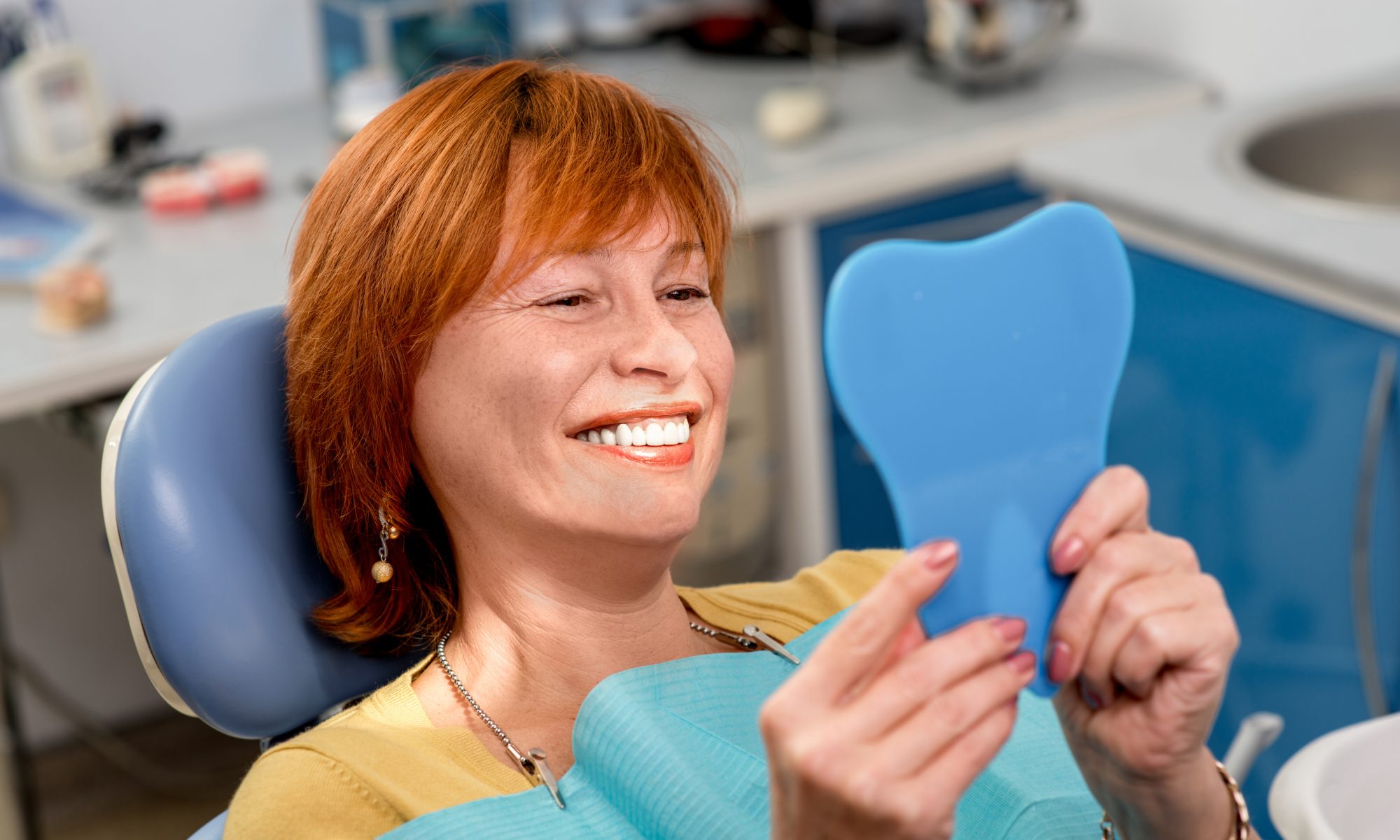
A woman smiling at her reflection because she has healthy teeth, or because she is seeing the result of dental restoration surgery

Cancer treatment can have lasting effects on oral health, making it especially important for survivors to pay close attention to their teeth, gums, and overall mouth care. Treatments such as chemotherapy, radiation, and certain medications can weaken the mouth’s natural defenses, leaving survivors more vulnerable to issues like dry mouth, infection, and tooth decay.

One of the most common concerns for cancer survivors is dry mouth, or xerostomia. Radiation therapy to the head and neck can damage salivary glands, reducing saliva production. Saliva is essential for neutralizing acids, washing away food particles, and protecting tooth enamel. Without enough saliva, survivors may experience difficulty swallowing, increased cavity risk, and a higher likelihood of gum disease. Staying hydrated, using saliva substitutes, and chewing sugar-free gum can help alleviate symptoms.

Cancer treatments can also weaken the immune system, making oral infections more likely. Fungal infections, like thrush, and bacterial infections can develop more easily, especially if oral hygiene is compromised due to sensitivity, pain, or fatigue. Gentle brushing with a soft-bristled toothbrush and daily flossing, when tolerated, are critical to minimizing risk.

Changes in taste, gum sensitivity, and tooth decay are also common among survivors. Acidic or soft diets, often necessary during treatment, can increase enamel erosion and plaque buildup. Regular dental checkups are vital, not only to monitor for cavities and gum disease but also to catch early signs of oral complications that may arise after cancer therapy.

Collaborating with dental and medical professionals is key. Dentists can recommend tailored hygiene routines, fluoride treatments, or protective coatings for weakened enamel, while oncologists can advise on timing dental care around follow-up treatments. Survivors should also be vigilant about any persistent mouth pain, sores, or changes in oral tissue, as early intervention improves outcomes.

For cancer survivors, proactive oral care is a crucial part of overall recovery and quality of life. By addressing dry mouth, maintaining rigorous hygiene, and keeping regular dental appointments, survivors can reduce oral health risks and preserve a healthy, functional smile long after treatment ends.

For more information regarding dental exams, contact Drs. Freund and Waterloo today at 847-251-8990 or visit www.villagedentalpc.com.

Drs. Chad Freund and Cathy Waterloo proudly serves Kenilworth and all surrounding areas.

How Menopause Affects Gum and Bone Health | Kenilworth Dentist

A woman smiling at her reflection because she has healthy teeth, or because she is seeing the result of dental restoration surgery

Menopause is a natural stage of life that brings many changes to the body, and oral health is no exception. Hormonal shifts during menopause—particularly the decline in estrogen—can significantly impact gum and bone health, making women more susceptible to certain dental issues. Understanding these effects can help maintain a healthy smile during this transition.

One of the most common oral health challenges during menopause is gum sensitivity and inflammation. Lower estrogen levels can reduce blood flow to the gums, making tissues thinner, more fragile, and prone to irritation. This can increase the risk of gingivitis and, if left untreated, more severe periodontal disease. Women may notice gums that bleed easily, feel tender, or appear red and swollen, even with regular brushing and flossing.

Another key concern is dry mouth, medically known as xerostomia. Hormonal changes can decrease saliva production, which is essential for neutralizing acids, washing away food particles, and protecting enamel. Reduced saliva creates an environment where bacteria thrive, increasing the likelihood of cavities, gum disease, and bad breath. Staying hydrated, using alcohol-free mouth rinses, and chewing sugar-free gum can help stimulate saliva flow.

Menopause also affects bone health, which includes the jawbone supporting your teeth. Declining estrogen levels can contribute to osteoporosis, a condition that weakens bones and makes them more prone to fracture. When the jawbone density decreases, teeth may loosen, shift, or even be lost. Maintaining adequate calcium and vitamin D intake, engaging in weight-bearing exercise, and discussing bone health with your physician can support stronger bones and a more stable oral foundation.

Women experiencing menopause should prioritize regular dental checkups and communicate openly with their dentist about changes in their oral health. Professional cleanings, fluoride treatments, and careful monitoring of gum and bone status can prevent small problems from becoming serious issues.

By recognizing how menopause impacts gums and bone health, women can take proactive steps to protect their teeth and maintain a confident, healthy smile. Simple daily habits, combined with professional care, can help navigate this stage of life while keeping oral health strong.

For more information regarding dental exams, contact Drs. Freund and Waterloo today at 847-251-8990 or visit www.villagedentalpc.com.

Drs. Chad Freund and Cathy Waterloo proudly serves Kenilworth and all surrounding areas.

Everything You Need to Know About Toothaches | Kenilworth Dentist

A man holding his jaw due to a toothache or tooth trauma

A toothache can be a nagging, debilitating pain that disrupts your daily life. While it’s a common complaint, understanding its causes, prevention, and treatment options can help manage and alleviate the discomfort. This blog delves into the intricacies of toothaches and offers practical advice on how to handle them.

Continue reading “Everything You Need to Know About Toothaches | Kenilworth Dentist”

The Lighter Side of Medicine: Exploring the Wonders of Laughing Gas | Kenilworth Dentist

Dental tools shown to depict the tools dentists use

Laughter, they say, is the best medicine. But what if you could inhale laughter? Enter nitrous oxide, more commonly known as laughing gas, is a fascinating and widely used anesthetic with a side effect that has everyone smiling – uncontrollable fits of laughter. Let’s take a closer look at this whimsical gas and its surprising role in the world of medicine.

Continue reading “The Lighter Side of Medicine: Exploring the Wonders of Laughing Gas | Kenilworth Dentist”

Nurturing Smiles: At-Home Pediatric Oral Care | Kenilworth Dentist

A kid holding dental cleaning accessories to show that pediatric dental care is important and cn be done at home.

A child’s smile is a precious thing, and as parents, it’s our responsibility to ensure it sparkles with good oral health. Establishing proper dental care habits early in life sets the foundation for a lifetime of healthy teeth and gums. Here’s a comprehensive guide to pediatric at-home oral care to help you nurture those bright smiles.

Continue reading “Nurturing Smiles: At-Home Pediatric Oral Care | Kenilworth Dentist”

Navigating the Path to Becoming a Board-Certified Dentist | Kenilworth Dentist

A tooth with a royal crown on top to depict dental crowns

Embarking on the journey to become a board-certified dentist is a commendable pursuit that requires dedication, education, and a passion for oral health. This transformative path not only elevates your professional status but also ensures a commitment to the highest standards of patient care. In this blog post, we’ll explore the essential steps and key considerations for those aspiring to achieve board certification in dentistry.

Continue reading “Navigating the Path to Becoming a Board-Certified Dentist | Kenilworth Dentist”

Understanding The Causes, and Consequences of Adult Tooth Loss and Replacement Options | Kenilworth Dentist

A man holding his jaw due to a toothache or tooth trauma

Adult tooth loss can be a disconcerting and challenging experience, affecting not only oral health but also overall well-being. Whether it’s due to decay, gum disease, injury, or other factors, losing permanent teeth requires careful consideration and proactive steps for maintaining oral function and aesthetics. In this blog post, we’ll explore the causes of adult tooth loss, its consequences, and the various replacement options available.

Continue reading “Understanding The Causes, and Consequences of Adult Tooth Loss and Replacement Options | Kenilworth Dentist”