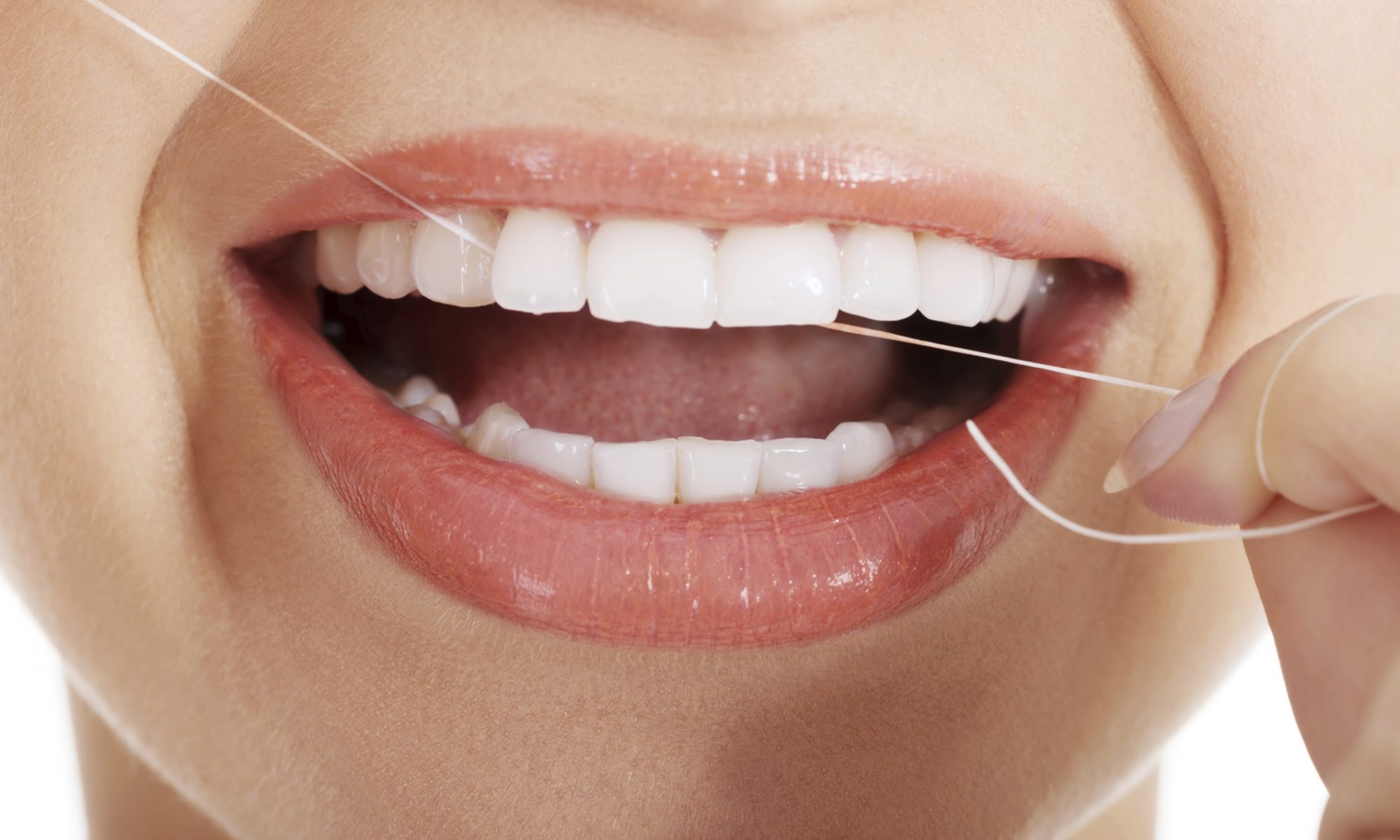
When you think about keeping your teeth healthy, brushing is probably the first thing that comes to mind. But even thorough brushing leaves some areas of your mouth untouched. The spaces where teeth meet are difficult for toothbrush bristles to reach, allowing plaque and food debris to remain behind.
Flossing helps complete your daily cleaning routine by reaching these hidden areas. Making it a regular habit can contribute to healthier teeth, stronger gums, and a fresher-feeling mouth.
Why Brushing Needs a Little Help
A toothbrush works well on the exposed surfaces of your teeth, but it isn’t designed to clean every narrow space. Bacteria can settle between teeth and near the gums, creating plaque that may eventually harden if it isn’t removed.
Floss allows you to clean along the sides of neighboring teeth, giving attention to areas that might otherwise be missed during your daily routine.
Give Your Gums the Care They Need
Your gums play an important role in supporting your teeth. When plaque remains around the gumline, it can irritate the surrounding tissue. Over time, you may notice gums that appear red or swollen or that bleed easily.
Cleaning between your teeth each day helps limit the amount of plaque sitting against your gums and can be an important part of maintaining good periodontal health.
Add Another Layer of Cavity Protection
Not all cavities are easy to see. Decay can begin in the small spaces between teeth, particularly when food and bacteria are allowed to remain there.
Flossing clears away material that brushing may leave behind. Combined with fluoride toothpaste and regular dental care, cleaning between your teeth can help protect enamel and lower your chances of developing tooth decay.
Don’t Overlook Flossing for Fresher Breath
If your breath doesn’t feel as fresh as you’d like after brushing, the problem may be hiding between your teeth. Bacteria and leftover food can contribute to unwanted odors when these areas aren’t cleaned regularly.
Flossing removes much of this buildup and can help your mouth feel noticeably fresher and cleaner.
Oral Care Is Part of Taking Care of Yourself
Your mouth doesn’t exist separately from the rest of your body. Maintaining good oral health is an important part of your overall wellness routine.
Keeping plaque under control, caring for your gums, eating a balanced diet, and receiving professional dental care all contribute to maintaining a healthy mouth throughout your lifetime.
A Little Prevention Goes a Long Way
It’s much easier to maintain healthy teeth than to repair them after problems develop. Daily home care can reduce plaque accumulation and help lower your chances of experiencing preventable dental concerns.
Flossing doesn’t require a major time commitment. A few minutes each day, combined with consistent brushing and routine dental visits, can make a meaningful difference.
Make Flossing Easier and More Effective
Good technique is just as important as remembering to floss. Try these simple suggestions:
- Choose a convenient time each day and make flossing part of your routine.
- Gently guide the floss between your teeth instead of snapping it downward.
- Wrap the floss around the side of each tooth and move it carefully along the surface.
- Clean slightly below the gumline while being gentle with the gum tissue.
- Move to a fresh portion of floss as you continue from tooth to tooth.
- Consider floss holders, interdental brushes, or water flossers if regular string floss isn’t comfortable or convenient.
Your dental team can also demonstrate different techniques and recommend an option that works well for your individual needs.
Build a Routine Your Smile Will Appreciate
Great oral health isn’t usually the result of one big change. It’s created through simple habits repeated every day. Brushing thoroughly, cleaning between your teeth, making healthy food choices, and keeping up with dental examinations and professional cleanings all work together to protect your smile.
If flossing hasn’t been part of your routine, today is a great time to start. It only takes a few minutes, and your teeth and gums can benefit from the extra attention for years to come.